Learning how to brush your teeth with fixed braces is an essential part of orthodontic treatment. Brackets and wires create additional spaces where plaque, food particles and bacteria can collect, so the routine that worked before treatment may no longer be sufficient. This does not mean that cleaning fixed braces has to be complicated, but it does require more care, the right tools and enough time to reach every surface. Many patients ask how often they should brush, whether an electric toothbrush is suitable and how to clean underneath the orthodontic wire.
In this guide, the orthodontic team at Aline Specialists in Winchester explains how to clean above and below the brackets, protect the gumline and use interdental aids safely. We will also discuss fluoride toothpaste, flossing, mouthwash, diet and the signs that may indicate plaque is not being removed effectively. Good oral hygiene helps treatment progress with a healthier mouth and reduces the risk of decay, inflamed gums and permanent white marks. The advice provided by your orthodontist remains important because your appliance design, oral health and individual risks may require a more personalised routine.
Why Does Cleaning Your Teeth Require More Care with Fixed Braces?
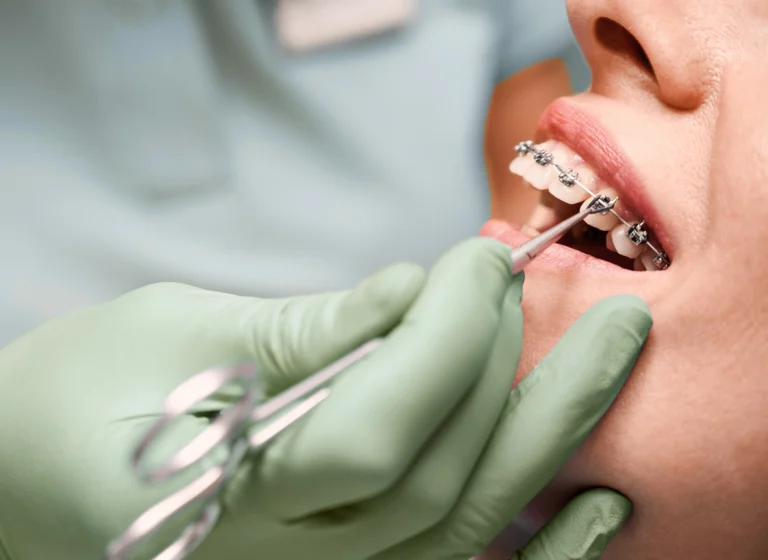
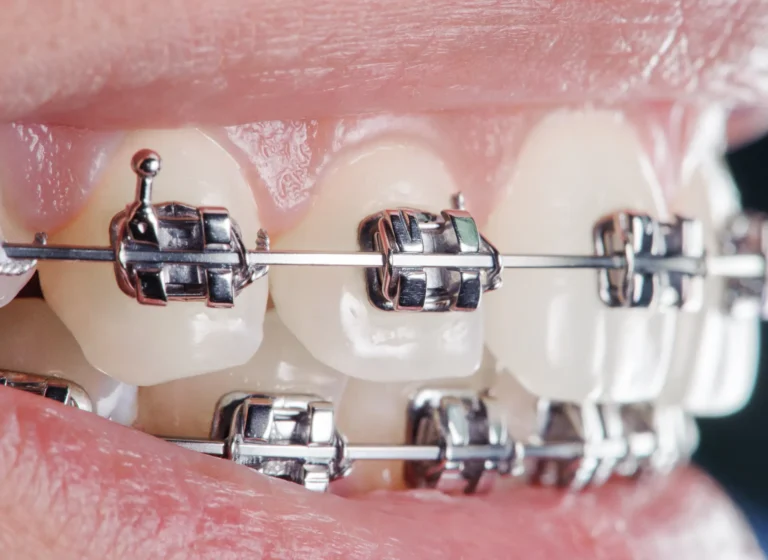
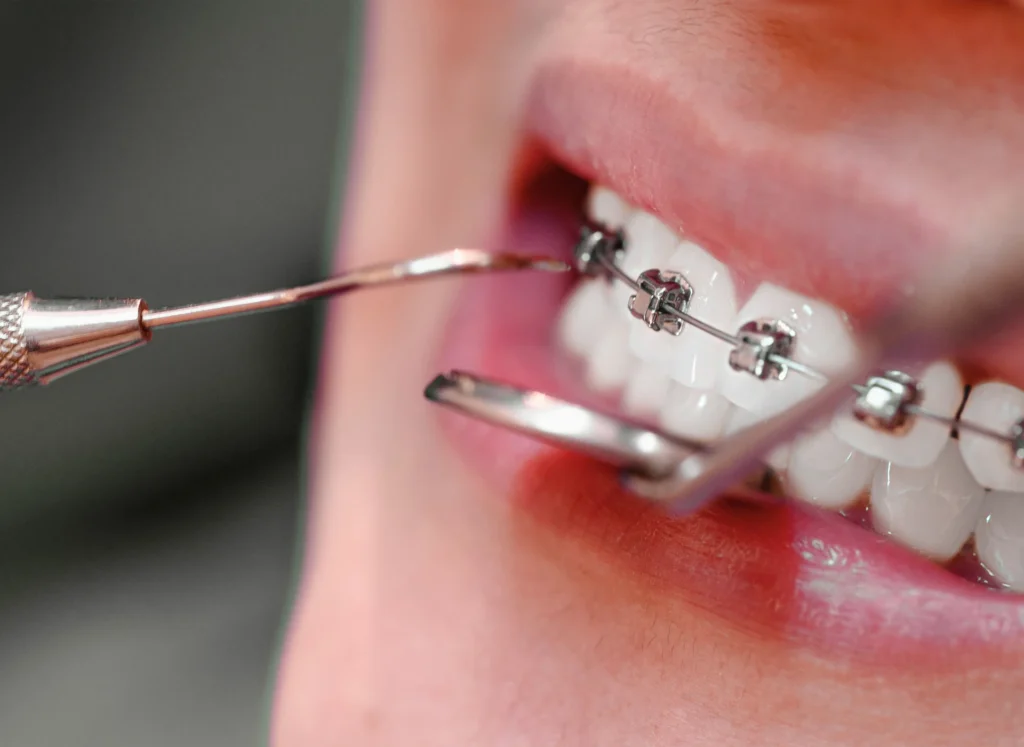
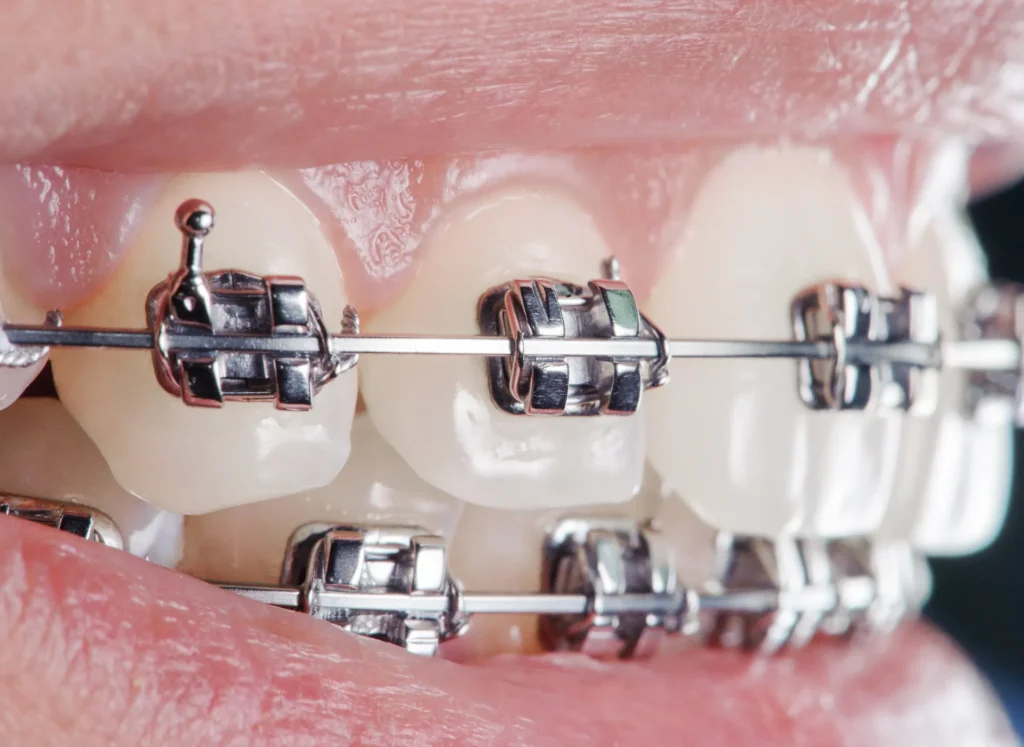
A fixed brace usually consists of brackets attached to the teeth, an orthodontic wire and, depending on the appliance, small elastic or metal components. These parts are necessary for controlled tooth movement, but they also create ledges and narrow areas where plaque can remain undisturbed. Plaque is a sticky film containing bacteria, and when it is not removed thoroughly, those bacteria can contribute to tooth decay, gum inflammation and unpleasant breath. The brace itself does not automatically damage the teeth. The main concern is what can accumulate around it, particularly near the edges of the brackets and where the tooth meets the gum.
Poor cleaning may initially cause gums to look red, feel tender or bleed during brushing. Over time, repeated plaque and acid exposure can lead to enamel demineralisation, which may appear as chalky white areas around the former position of a bracket after the brace is removed. These marks are not caused by tooth movement; they are associated with plaque, dietary habits and inadequate cleaning. This is why oral hygiene must remain a priority from the day the appliance is fitted until treatment and retention are complete.
Fixed braces also make it easier for fibrous foods, bread, seeds and other particles to become trapped. A quick brush across the front of the brackets will not remove everything underneath the wire or between the teeth. Effective care therefore combines systematic toothbrushing, interdental cleaning and regular dental examinations. At Aline Specialists, oral hygiene is considered part of the orthodontic journey because healthy gums and supporting tissues provide a safer foundation for treatment and long-term stability.
What Do You Need to Clean Fixed Braces Properly?
The most useful starting point is a soft-bristled toothbrush with a head that can move comfortably around the mouth. A manual or powered toothbrush can both be effective when used correctly, so the best option is usually the one that helps you clean every area without applying excessive pressure. Use a fluoride toothpaste suitable for your age and individual dental needs. Unless your dentist or orthodontist advises otherwise, a non-whitening toothpaste is often the simplest choice during fixed-brace treatment because the main priority is strengthening and protecting the exposed enamel.
A small interdental brush is particularly helpful because it can pass underneath the orthodontic wire and clean the spaces beside each bracket. The correct size matters: a brush that is too small may not clean effectively, while one that is too large may bend or injure the gums. Your clinical team can demonstrate the right angle and size. Floss threaders, orthodontic floss or specially designed floss holders can help clean between teeth where an ordinary piece of floss is difficult to position.
A practical fixed-brace hygiene kit may include:
- Soft manual or powered toothbrush
- Fluoride toothpaste
- Interdental brushes in suitable sizes
- Floss threader or orthodontic floss
- Small single-tufted brush
- Travel toothbrush for meals away
- Fluoride mouthwash if recommended
- Small mirror for checking brackets
Disclosing tablets may occasionally help reveal areas where plaque remains, but they should support rather than replace professional instruction. Water flossers can also be useful for loosening debris, although they are generally an addition to brushing and interdental cleaning rather than a substitute. A compact travel kit makes it easier to maintain consistent hygiene, clean brackets after meals and respond when food becomes trapped away from home.
How to Brush Your Teeth with Fixed Braces Step by Step
Before brushing, rinse your mouth with water to loosen larger pieces of food. If you wear removable elastics, take them out only if your orthodontist has instructed you to do so. Place a small amount of fluoride toothpaste on the brush and clean in front of a mirror, working through the mouth in the same order each time. A repeatable sequence reduces the likelihood of missing the back teeth, gumline or lower arch. Avoid vigorous horizontal scrubbing because excessive pressure can irritate the gums and cause toothbrush bristles to spread without cleaning effectively.
Follow these steps:
- Brush above the brackets: angle the bristles towards the gumline and use small, controlled circular movements.
- Brush below the brackets: tilt the brush so the bristles reach underneath the wire and lower edge of each bracket.
- Clean the bracket surfaces: move gently across the front and sides of every attachment.
- Brush the inner tooth surfaces: clean behind the teeth, where plaque can still build up even though no brackets are present.
- Clean the biting surfaces: pay attention to the grooves of the molars and premolars.
- Brush the gumline gently: remove plaque without forcing the bristles into sore tissue.
- Use an interdental brush: pass it carefully underneath the wire and around each bracket.
- Clean between the teeth: use orthodontic floss or a threader where recommended.
- Brush the tongue: this can help reduce bacteria and trapped debris.
- Spit out the toothpaste: avoid immediately rinsing with large amounts of water, so fluoride can remain in contact with the teeth.
Take enough time to check that the brackets look clean, the gumline is free from visible plaque and no food remains underneath the wire. A hurried pass over the appliance is rarely sufficient. Your orthodontist or hygienist can watch your technique and identify the areas you regularly miss, making the routine more efficient and personalised.
How Do You Clean Around Brackets, Wires and Between the Teeth?
A standard toothbrush cleans the broad surfaces of the teeth, but it may not fully reach the narrow spaces beside brackets, beneath the wire or between neighbouring teeth. To use an interdental brush, guide it gently underneath the archwire from the gum side or biting side, depending on the available space and the instructions you have received. Move it carefully around both sides of every bracket without forcing it against the gums. If the brush bends immediately, catches repeatedly or feels painful, ask the orthodontic team whether a different size or technique is needed.
Cleaning between the teeth is also important because decay and gum inflammation can begin where toothbrush bristles do not reach. A floss threader works like a flexible guide, allowing floss to pass beneath the orthodontic wire before being moved gently between the teeth. Slide the floss around the side of one tooth and then the neighbouring tooth, extending slightly below the gum margin without snapping it into the tissue. This process takes longer with fixed braces, particularly at first, but becomes easier with practice.
A single-tufted brush can be useful around crowded teeth, back molars and the edges of brackets. A water flosser may help remove loose food particles and can be particularly convenient for patients who find manual techniques difficult. However, directing a stream of water around the brace does not necessarily remove all attached plaque, so it should not replace careful brushing or interdental cleaning unless your clinician has provided different instructions.
Never use pins, needles, hard toothpicks or improvised metal objects to remove trapped food. These can damage the appliance, scratch the enamel or injure the gums. Use orthodontic cleaning tools, work gently and request professional guidance when an area remains difficult to access.
How Often and for How Long Should You Brush with Fixed Braces?
People wearing fixed braces are commonly advised to brush in the morning, before bed and after meals when practical, following the instructions given by their own orthodontic team. The evening clean is particularly important because it should include careful brushing around every bracket and cleaning between the teeth. Rather than relying only on a stopwatch, focus on whether each surface has actually been reached. Cleaning fixed braces may take longer than an ordinary two-minute routine, especially when interdental brushes and floss are included.
After eating away from home, a travel toothbrush can help remove food from the appliance. When brushing is not immediately possible, rinse thoroughly with water and check the brace in a mirror. This is a temporary measure rather than a replacement for brushing. After acidic drinks or foods, it may be sensible to rinse first and avoid brushing immediately while the enamel surface is temporarily softened. Follow the specific timing advice provided by your dentist or orthodontist.
Consistency matters more than occasional aggressive cleaning. Plaque begins to reform continuously, so leaving difficult areas untouched for several days cannot be corrected simply by brushing harder later. Excessive force may make the gums sore without properly cleaning underneath the wire. Use gentle pressure, small controlled movements and a systematic order every day.
Continue attending regular examinations with your general dentist while undergoing orthodontic treatment. The orthodontist assesses tooth movement and the appliance, while the dentist monitors decay risk, gum health and the wider condition of the mouth. Professional hygiene appointments may be advised more frequently when plaque control is difficult, gums are inflamed or the appliance creates particularly challenging areas.
Can You Use an Electric Toothbrush, Mouthwash or Water Flosser?
An electric toothbrush can be used with fixed braces and may help some patients maintain a consistent technique. Choose a small or orthodontic-friendly head with soft bristles, position it carefully around each bracket and allow the brush to work without pressing hard. Pressure does not improve plaque removal and can make the gumline uncomfortable. A manual toothbrush can be equally appropriate when used thoroughly, so there is no need to change solely because braces have been fitted. The important factors are access, technique and regular replacement of worn brush heads.
A fluoride mouthwash may offer additional enamel protection when recommended by your clinical team. It is usually used at a different time from brushing so that it does not immediately wash away the concentrated fluoride left by toothpaste. Mouthwash cannot mechanically remove plaque, which means it must not replace brushing, flossing or interdental brushes. A strongly flavoured rinse may make the mouth feel fresh while plaque remains around the brackets, so freshness should never be confused with cleanliness.
A water flosser can help dislodge loose debris from underneath the wire and between brackets. It may be particularly useful for patients with limited dexterity or those who struggle with traditional floss threaders. Nevertheless, it should generally support rather than replace direct mechanical cleaning. Ask the orthodontic team to demonstrate the safest pressure setting and direction, particularly if your gums bleed easily.
Whitening toothpaste, strips and bleaching products should not be used simply because the exposed parts of the teeth appear darker. Whitening around fixed brackets may produce an uneven result because the covered enamel is not exposed in the same way. Abrasive or unregulated products can also increase sensitivity, gum irritation and enamel concerns. Any whitening should be discussed with a dental professional and usually considered after the brace has been removed and the teeth have been assessed.
What Should You Eat to Keep Teeth and Braces Easier to Clean?
Cleaning technique is only one part of protecting teeth during treatment. Frequent exposure to sugary snacks, fizzy drinks and acidic beverages increases the challenge because bacteria can convert sugars into acids, while dietary acids can act directly on enamel. It is generally better to keep sugary foods to mealtimes rather than consuming them repeatedly throughout the day. Water is the simplest drink between meals, and rinsing with water after eating can help loosen debris before the next full clean.
Hard, sticky and very crunchy foods can also damage fixed appliances. Chewing gum, hard sweets, toffees and similar foods may become caught around brackets or pull components away from the teeth. Biting directly into hard foods can loosen a bracket or distort the wire, potentially affecting the forces applied during treatment. Foods such as firm fruit and vegetables do not always need to be avoided, but they can often be cut into smaller pieces and chewed carefully on the back teeth.
A balanced diet containing vegetables, protein sources, whole grains and dairy or suitable alternatives supports general and oral health. The objective is not to create an unnecessarily restrictive diet but to reduce habits that repeatedly expose the teeth to sugar or risk damaging the appliance. After meals, inspect the brace because foods such as spinach, meat fibres and bread can remain underneath the wire even when the mouth feels clean.
Do not attempt to compensate for frequent sugary or acidic intake by brushing aggressively. Toothbrushing cannot completely remove the effects of repeated exposure, and immediate brushing after highly acidic products may not be advisable. Combine a sensible diet with fluoride protection, careful appliance cleaning and regular professional reviews.
What Brushing Mistakes and DIY Methods Should You Avoid?
One of the most common mistakes is brushing only the visible front of the brackets. Teeth may look reasonably clean from a distance while plaque remains at the gumline, underneath the wire and between the teeth. Another mistake is rushing, especially before school or work. A reliable sequence is more effective than random brushing because it ensures that the upper, lower, inner, outer and biting surfaces are all cleaned. Replace toothbrushes and interdental brushes once the bristles become worn, bent or ineffective.
Do not use excessive force in an attempt to “scrub away” stains. Hard brushing may irritate the gums and does not necessarily reach the spaces where plaque is trapped. Similarly, do not push an oversized interdental brush through a narrow gap. The brush should make light contact with the surrounding surfaces without requiring force. If bleeding continues despite gentle, thorough cleaning, arrange an assessment rather than avoiding the area completely.
DIY whitening methods involving lemon juice, bicarbonate mixtures, abrasive powders or unregulated bleaching products are not a safe solution for discolouration around braces. They may irritate the soft tissues, damage enamel or produce uneven colour. Never try to remove brackets, cut the main wire, bend components or reposition teeth at home. Orthodontic appliances apply carefully calculated forces, and unauthorised adjustments can injure the mouth or interfere with treatment.
If a wire feels sharp, orthodontic wax may provide temporary protection, but the practice should still be contacted for advice. A loose bracket, broken wire or persistent pain should not be repaired with household glue or improvised tools. Choose professional assessment, approved orthodontic products and the guidance of the clinical team rather than online shortcuts.
What Signs Suggest That Your Cleaning Routine Needs Improvement?
Healthy gums can occasionally bleed when a neglected area is first cleaned more effectively, but persistent bleeding, swelling and redness commonly indicate that plaque is remaining around the gumline. Other warning signs include bad breath that returns quickly after brushing, a visible yellow film around brackets or gums that appear enlarged and begin covering part of the appliance. Do not stop brushing an area simply because it bleeds; use gentle cleaning and arrange professional advice so the cause can be assessed.
Chalky or opaque white areas close to brackets may represent early enamel demineralisation. These changes require attention because they can progress when plaque and dietary acids continue to affect the surface. Dark spots, sensitivity, discomfort when chewing or repeated food trapping should also be discussed with a dentist. Waiting until the brace is removed may allow a preventable problem to worsen.
Contact the orthodontic team when the brace is broken, a bracket becomes loose or a wire causes ongoing irritation. Some tenderness after fitting or adjustment is expected, but pain that remains significant for more than a few days should be reviewed. Very red, swollen or painful gums also warrant clinical advice. Your general dentist should continue checking for tooth decay, gum disease and other oral conditions throughout orthodontic treatment.
At Aline Specialists, integrated hygiene support is intended to help patients maintain healthy gums before, during and after orthodontic care. Individual instruction is particularly useful because plaque does not collect in exactly the same places for everyone. A hygienist or orthodontic professional can identify missed areas, select suitable interdental brushes and adapt the routine to your brace design, manual dexterity and current oral-health needs.
Conclusion: How to Brush Your Teeth with Fixed Braces
Knowing how to brush your teeth with fixed braces means doing more than moving a toothbrush across the brackets. An effective routine cleans above and below every attachment, reaches underneath the wire and removes plaque from between the teeth and along the gumline. A soft toothbrush, fluoride toothpaste and correctly sized interdental brushes form the basis of daily care, while flossing aids or a water flosser may provide additional support when used appropriately.
Regularity is essential. Brush according to the schedule recommended by your clinical team, take enough time to inspect every area and keep a small cleaning kit available when you are away from home. Reduce frequent sugary and acidic products, avoid foods that could damage the brace and never use improvised tools, household whitening remedies or DIY orthodontic adjustments. Professional advice is safer than attempting to solve appliance or enamel problems alone.
Good cleaning protects more than the appearance of the smile. It helps preserve healthy enamel, stable gums and the tissues supporting teeth as they move. Continue seeing your general dentist and attend any recommended hygiene appointments throughout treatment. If you notice persistent bleeding, swelling, white areas, discomfort or a damaged appliance, contact the clinical team rather than waiting for the next routine review.
To receive personalised guidance on brushing technique, interdental cleaning and caring for a fixed appliance, contact Aline Specialists and book an orthodontic appointment in Winchester. The team can assess your current routine and show you how to keep your teeth and braces clean throughout treatment.