Clear aligners are removable orthodontic appliances designed to move teeth through a planned sequence of small, controlled changes. Instead of using brackets and wires, treatment involves wearing a series of customised plastic trays, each created to guide the teeth slightly closer to their intended positions. Patients usually progress from one aligner to the next according to a schedule provided by their orthodontist.
Many people researching treatment ask how do clear aligners work, whether the trays can correct bite problems and how many hours they must be worn each day. The aligners may look simple, but the treatment behind them involves detailed diagnosis, digital planning and regular clinical monitoring. The result depends not only on the appliance, but also on the orthodontist’s plan and the patient’s cooperation.
Clear aligners can be used by adults and teenagers, although they are not automatically suitable for every orthodontic concern. Some cases require attachments, elastics or additional procedures to achieve the necessary control, while other patients may benefit more from fixed braces. A comprehensive assessment of the teeth, bite and supporting tissues is therefore essential before treatment begins.
In this guide, the team at Aline Specialists in Winchester explains how aligners move teeth, what happens during digital planning and why daily wear is essential. We will also discuss treatment duration, oral hygiene, costs, limitations and the importance of retainers once active treatment has finished.
What Are Clear Aligners and How Are They Different from Retainers?
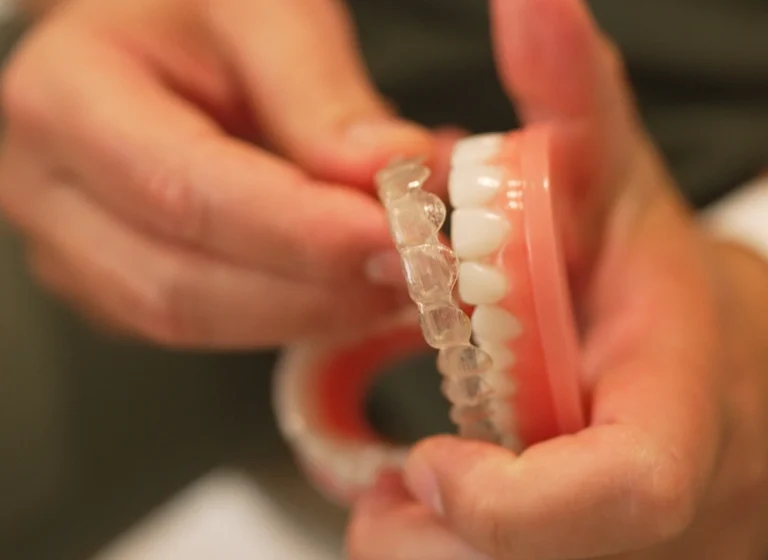
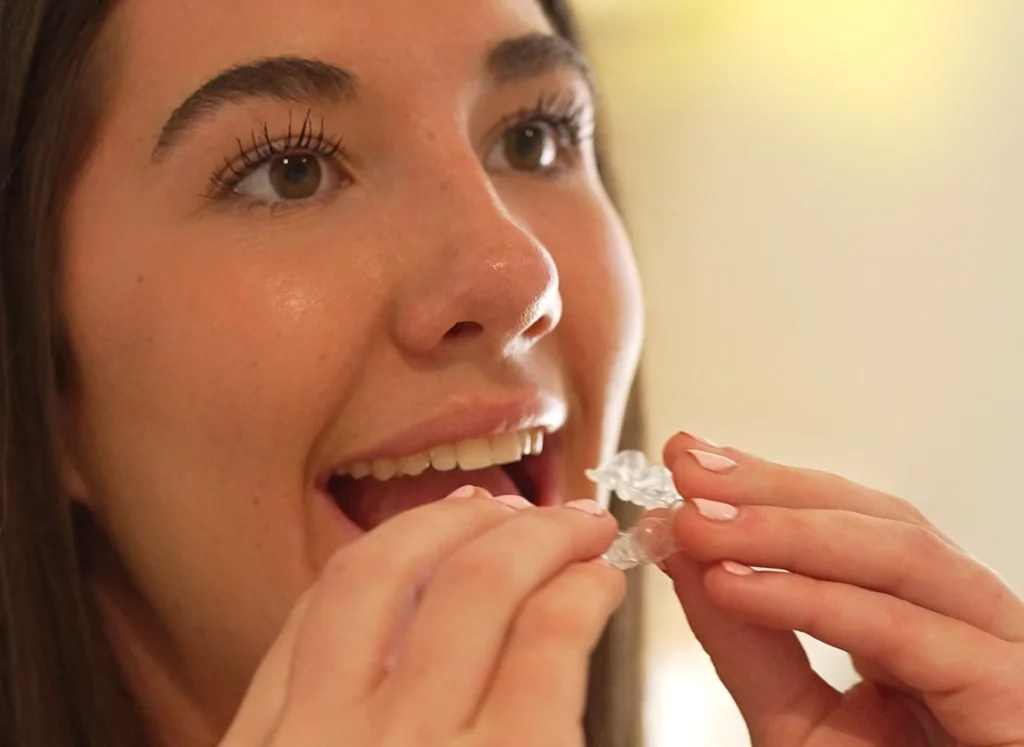
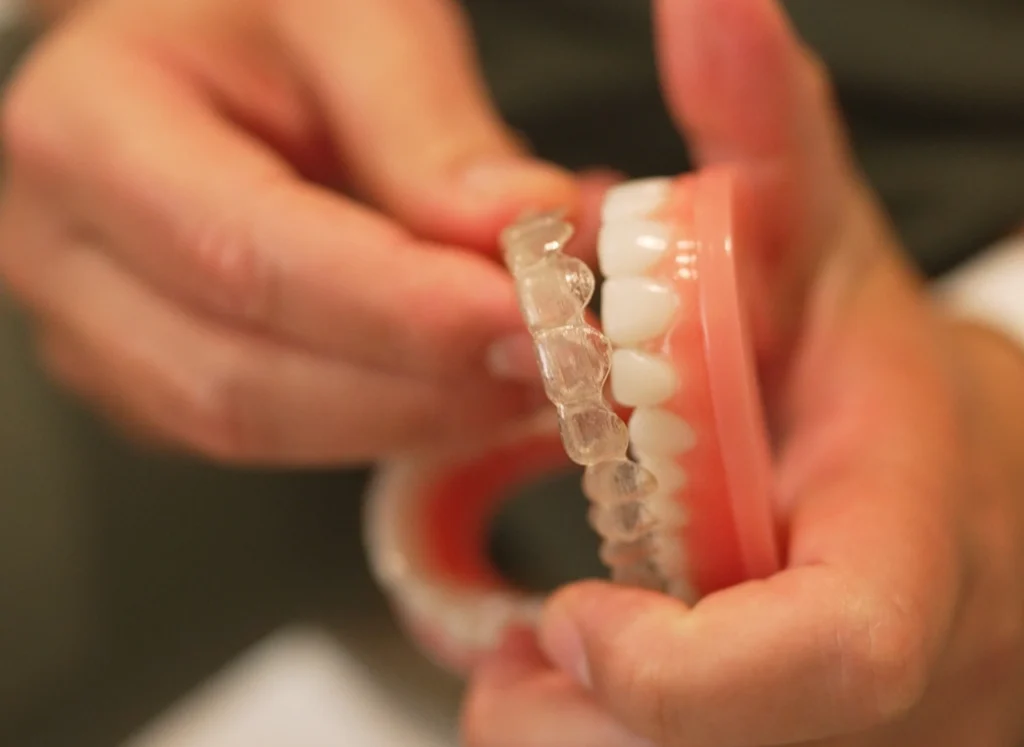
Clear aligners are thin, removable appliances made from transparent plastic and shaped to fit closely over the teeth. They are created as a numbered sequence, with each aligner representing a small stage within the complete orthodontic plan. As the patient moves through the sequence, the trays apply gentle pressure, guide incremental movement and progressively change the position of selected teeth.
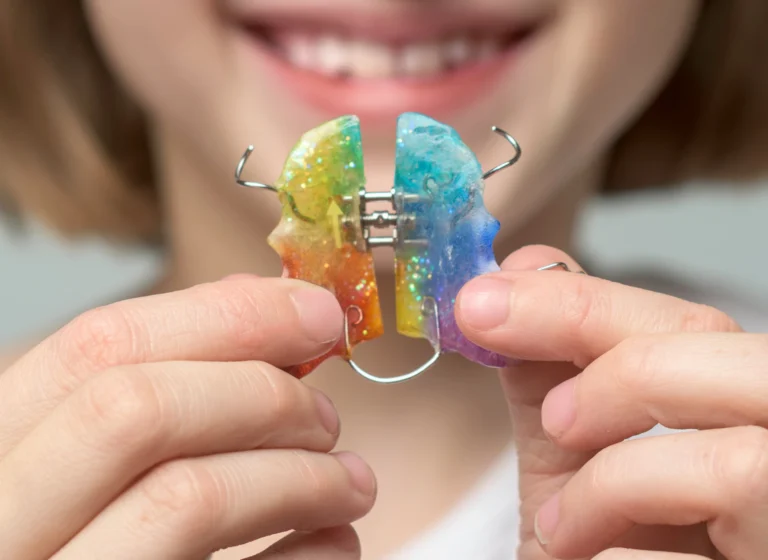
Although aligners may resemble clear retainers, the two appliances serve different purposes. An aligner is designed to create active tooth movement, while a retainer is intended to hold teeth after treatment. Each active tray has a slightly different internal shape, encouraging the teeth to move towards the next planned position. A retainer is instead manufactured to maintain completed alignment, reduce orthodontic relapse and support long-term stability.
Clear aligners should also not be confused with generic mouthguards. A sports guard protects the teeth from impact, while a night guard may help protect against tooth wear. Neither is designed to produce the precise movements required during orthodontic care. A genuine aligner treatment involves clinical records, computerised planning and professional supervision throughout the process.
One commercial system is commonly known by the Invisalign name, but Invisalign is not the general name for every clear aligner. Different systems may use different materials, manufacturing processes and planning software. What matters clinically is whether the chosen appliance can deliver the movements required and whether the treatment is being planned and monitored appropriately.
At Aline Specialists, clear-aligner treatment is delivered by orthodontists with extensive experience in aligner biomechanics, complex case management and international clinical education. Their approach considers the appearance of the smile alongside bite function, facial harmony, gum health and the stability of the result.
How Do Clear Aligners Work to Move the Teeth?
Teeth are held within the jaw by roots surrounded by bone and a thin supporting structure called the periodontal ligament. When an aligner applies controlled pressure to a tooth, the ligament and nearby bone respond biologically. Bone is gradually remodelled on the side towards which the tooth moves, while new support forms behind it. This combination of cellular activity, bone adaptation and gentle force allows movement to occur over time.
Every aligner is manufactured with a shape that differs slightly from the patient’s current tooth positions. When the tray is inserted, it attempts to fit that planned shape and applies pressure to particular areas. A single aligner usually produces only a small part of the overall correction. The next tray then continues the process, creating a sequence of planned stages, controlled movements and gradual bite development.
The trays do not necessarily move every tooth at the same time. Some teeth may be used as stable anchorage while others rotate, tip, move vertically or shift into available space. The orthodontist determines the order in which movements should occur so that one part of the correction does not interfere with another. This sequencing is one of the reasons that professional diagnosis, biomechanical planning and regular progress checks remain important.
Aligners must fit closely to work as intended. If a patient does not wear them for the prescribed number of hours, a tooth may not reach the position required for the next tray. This can create a loss of tracking, where the aligner no longer sits correctly against the tooth. Continuing through the sequence despite poor fit can reduce movement accuracy, treatment efficiency and control of the final result.
Patients should never attempt to accelerate the process by changing trays early, wearing two aligners together or modifying an appliance at home. Teeth and supporting tissues require time to respond safely. Excessive or uncontrolled pressure may cause discomfort, unwanted movement or damage to the appliance.
How Is a Clear Aligner Treatment Plan Created?
Treatment begins with a comprehensive orthodontic assessment rather than simply taking an impression of the visible teeth. The orthodontist examines tooth alignment, bite relationships and facial proportions, while also assessing gum health, previous dental work and any missing or unerupted teeth. Photographs and radiographs may be required to understand the roots and supporting structures that cannot be seen during an ordinary examination.
A digital intraoral scanner can then capture a detailed three-dimensional record of the teeth. This replaces traditional moulds in many cases and creates the digital model used during planning. The orthodontist studies how much space is available, which teeth need to move and whether the bite can be corrected safely with aligners. Digital simulations can illustrate the proposed sequence, but they remain planning tools, not guarantees and must be interpreted through clinical judgement.
The orthodontist then adjusts the virtual treatment plan. This may involve changing the direction, timing or amount of movement assigned to each tooth. The software does not independently diagnose the patient or decide the safest treatment. The quality of the final plan depends on the clinician’s understanding of root position, force systems and how real teeth may respond differently from a computer model.
Once the plan has been approved, a sequence of customised aligners is manufactured. Before the first trays are provided, the orthodontist checks their fit and may place attachments or make other preparations. Regular appointments are arranged to monitor whether the clinical result continues to match the digital plan. The British Orthodontic Society emphasises that aligner treatment requires a proper orthodontic assessment, diagnosis and treatment plan.
Aline Specialists uses digital intraoral scanning, smile simulation and AI-assisted remote monitoring where clinically appropriate. These technologies support communication and progress reviews, while treatment decisions remain under the supervision of the orthodontic team.
Why Are Attachments, Elastics and Tooth Shaping Sometimes Needed?
Clear aligners can apply pressure directly through the tray, but some tooth movements require additional control. Small tooth-coloured shapes known as attachments may be bonded temporarily to selected teeth. These give the aligner a surface against which it can push or pull, helping manage tooth rotation, root movement and vertical correction more effectively.
Attachments vary in shape, size and position because they are selected according to the movement required. Some patients need only a few, while others require attachments on several teeth. They are generally removed at the end of treatment, and the tooth surface is polished. Although the trays remain clear, attachments may make the appliance slightly more noticeable, particularly when placed on front teeth.
Patients may also be asked to wear orthodontic elastics between the upper and lower arches. These can help improve bite coordination, jaw relationships or the position of particular groups of teeth. Elastics must be placed exactly as instructed because wearing them incorrectly, using additional bands or changing their position can create unwanted movement.
When mild crowding is present, the orthodontist may recommend interproximal reduction. This involves carefully removing a very small amount of enamel from the sides of selected teeth to create space. It is planned in measured amounts and should only be carried out by a qualified clinician. Patients must never attempt DIY filing, sanding or other home methods because these can cause permanent enamel damage, tooth sensitivity and an uneven result.
In other cases, tooth extraction may be considered when crowding is substantial or the bite requires more space than minor reduction can provide. Most aligner cases do not automatically require extraction or enamel reduction, but the decision depends on the patient’s anatomy and complete orthodontic goals.
How Long Should Clear Aligners Be Worn Each Day?
Clear aligners only apply their planned force while they are seated over the teeth. They are generally worn throughout the day and night and removed for meals, most drinks and oral hygiene. British Orthodontic Society guidance advises full-time wear, with its patient information indicating more than 22 hours daily during treatment. The precise instruction should always come from the treating orthodontist.
Every time the aligners remain out for longer than intended, the teeth spend less time receiving the necessary pressure. Repeated interruptions can slow movement or prevent a tooth from reaching the required position before the next tray. Consistent wear supports accurate tracking, predictable progression and timely completion of each planned stage.
Patients commonly remove the trays for breakfast, lunch, dinner and cleaning. It is helpful to develop a routine so that the aligners are returned to the mouth promptly. Leaving them wrapped in a napkin, loose in a pocket or on a table increases the risk of loss and damage. They should be stored in a protective case, kept away from heat and rinsed before reinsertion.
Each aligner may be worn for approximately one or two weeks before moving to the next tray, depending on the orthodontist’s plan and the patient’s response. A tray should not be changed simply because the scheduled day has arrived if it is not fitting correctly. The patient may be asked to continue wearing it or attend a review.
Chewies or similar seating aids may sometimes be recommended to help the tray fit fully over attachments and tooth surfaces. These should be used only according to professional advice. Wearing aligners more aggressively, doubling appliances or progressing early cannot compensate safely for missed wear.
What Problems Can Clear Aligners Correct?
Clear aligners can be used to improve several orthodontic concerns, including mild or moderate crowding, small spaces and selected bite problems. They may also help align teeth that have moved after previous orthodontic treatment. As aligner systems and clinical techniques have developed, experienced clinicians can use them for a wider range of movements than was previously possible.
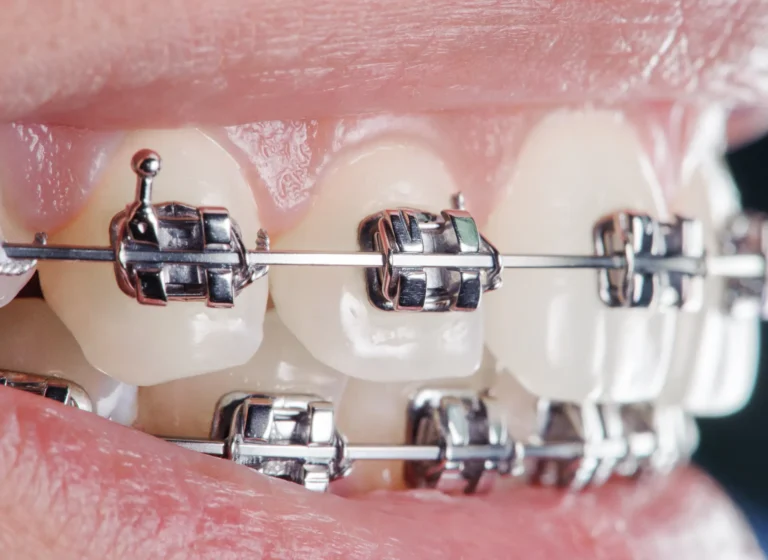
However, suitability depends on more than whether the teeth look crooked. The orthodontist must assess the severity of crowding, root positions, jaw relationships and the type of movement required. Severe crowding, extraction cases, substantial skeletal discrepancies and particularly complex movements may require additional techniques or a different appliance. The British Orthodontic Society notes that fixed braces may be needed alongside or instead of aligners in certain complex cases.
Clear aligners may be considered for:
- Crowded or overlapping teeth
- Gaps between teeth
- Selected deep bites
- Certain open bites
- Some crossbites
- Protruding teeth
- Orthodontic relapse
- Pre-restorative alignment
The fact that aligners can be removed does not make treatment clinically simpler. A challenging bite may require sophisticated staging, attachments, elastics and refinements. Some teeth also respond less predictably to certain movements, so the plan may need to be modified as treatment progresses.
Patients should be cautious about remote systems that rely only on photographs or home impressions without a complete clinical examination. Visible tooth crowns are only one part of the case. Safe planning must consider tooth roots, bone levels and gum condition, as well as the way the teeth meet during biting and chewing.
What Do Clear Aligners Feel Like and Do They Affect Speech?
When a new aligner is inserted, patients often feel pressure, tightness or mild tenderness. This is usually most noticeable during the first few days of each new tray and reflects the gentle force being applied to the teeth. The discomfort should generally be manageable and gradually decrease as the teeth adapt to that stage of movement.
The edges of an aligner may initially feel unfamiliar against the tongue, cheeks or gums. A professionally manufactured and correctly fitted tray should not repeatedly cut or injure the tissues. If there is a persistent sharp edge, significant ulceration or an area that prevents normal wear, the orthodontic team should assess it. Patients should not reshape the appliance with scissors, nail files or hot water because these methods can change the fit and the forces delivered.
Some people notice a temporary change in speech, particularly when pronouncing certain sounds. The tongue must adapt to the thin layer of plastic covering the inner surfaces of the teeth. This generally improves after several days of consistent wear. Reading aloud and speaking normally can help the mouth adjust. British Orthodontic Society information suggests that initial speech changes commonly resolve within a few days.
A new aligner may also produce additional saliva or temporary dryness. Drinking water and maintaining regular wear usually help. The trays should not be removed repeatedly simply because they feel unfamiliar, as this can delay adaptation and reduce daily wear time.
Persistent severe pain, swelling, a tray that cannot be fully seated or discomfort localised to one tooth should be reported. Mild pressure can be expected, but strong continuing pain, damaged gums or an obviously distorted tray require professional advice.
Can You Eat, Drink and Clean Your Teeth Normally with Aligners?
One practical benefit of clear aligners is that they are removed for eating. This means patients do not have the same food restrictions associated with fixed brackets and wires. However, the teeth should be cleaned before the trays are reinserted whenever possible. Placing an aligner over food particles, sugary residue or plaque can hold these substances against the enamel for an extended period.
Plain water can generally be consumed while wearing the trays, following the instructions provided by the orthodontist. Other drinks should usually be consumed after removing them because sugar, acids and colouring can become trapped beneath the plastic. Hot drinks may distort the aligner, while coffee, tea and strongly coloured beverages can contribute to staining.
Brush the teeth with fluoride toothpaste and clean between them every day. The aligners should be rinsed and cleaned with cool water, a soft toothbrush and a suitable product recommended by the clinical team. British Orthodontic Society guidance advises cleaning with cold water, a toothbrush and liquid soap, with cleaning tablets available as an additional option.
Avoid hot water, bleach, household disinfectants and abrasive methods. Toothpaste can scratch some clear plastics, making them appear cloudy and creating surfaces where deposits collect more easily. Patients should also avoid wearing the trays while smoking, as this can cause staining and expose the mouth to harmful substances.
Good hygiene is especially important when attachments are present because plaque can gather around their edges. Regular dental examinations remain necessary throughout treatment. The orthodontist monitors movement and appliance fit, while the general dentist continues checking enamel health, gum condition and decay risk.
How Long Does Clear Aligner Treatment Take?
Treatment time varies according to the complexity of the starting problem, the movements required and how consistently the aligners are worn. Some limited alignment cases may be completed within several months, while comprehensive bite correction may take considerably longer. British Orthodontic Society patient information indicates that aligner treatment may last approximately 6 to 24 months, with some cases requiring additional time.
The number of trays alone does not always reveal the complete treatment duration. Patients may need refinements after the initial sequence. Refinement aligners are additional trays produced when some teeth require further movement or the bite needs more detailed finishing. They are a normal part of many treatment plans and do not necessarily indicate that treatment has failed.
Factors that can affect treatment length include:
- Complexity of the bite
- Number of movements required
- Daily aligner wear
- Accuracy of tray fit
- Use of elastics
- Biological tooth response
- Missed review appointments
- Need for refinement aligners
Clinical reviews may be scheduled approximately every six to twelve weeks, although this varies according to the case and monitoring system. These visits allow the orthodontist to check tray fit, attachment condition, oral health and progress.
Digital or AI-assisted remote monitoring may support communication between appointments, but it does not remove the need for appropriate face-to-face clinical care. At Aline Specialists, remote monitoring can be used alongside regular assessment, digital planning and specialist oversight where clinically suitable.
How Much Does Clear Aligner Treatment Cost?
The cost of clear aligner treatment varies because every patient requires a different clinical plan. Fees may be influenced by the complexity of the case, expected treatment duration, number of aligners and level of monitoring required. A limited correction involving a small number of movements is different from comprehensive treatment involving both arches and a complex bite.
The estimate may also reflect diagnostic records, attachments, refinement aligners, review appointments and retention after active treatment. Patients should ask what is included within the proposed plan rather than considering only an initial headline amount. An orthodontic assessment is necessary before a personalised estimate can be prepared.
Important factors include:
- Type of orthodontic problem
- Number of teeth being moved
- Need for bite correction
- Additional elastics or procedures
- Number of planned aligner stages
- Requirement for refinements
- Clinical monitoring and retention
Aline Specialists provides individual treatment planning and offers zero per cent financing, subject to eligibility and agreed terms. The practice’s orthodontists assess the teeth, bite, facial balance and periodontal health before recommending an appliance or explaining the associated costs.
Patients should be cautious about choosing a treatment solely because it appears inexpensive or promises rapid results without a full examination. A safe aligner plan requires appropriate diagnosis, root assessment and ongoing clinical support. If the teeth do not track as expected, the orthodontist must be able to modify the plan rather than simply continuing to issue trays.
The safest approach is to attend a consultation, understand the complete treatment pathway and receive a written estimate based on the individual case. Costs cannot be determined accurately from photographs or a brief online questionnaire alone.
What Happens After the Final Clear Aligner?
When the final active aligner has been completed, the orthodontist examines the tooth positions and bite. If the planned result has been achieved, active treatment can finish and the retention phase begins. If further changes are needed, additional scans and refinement aligners may be recommended before the final result is accepted.
The last aligner should not automatically be treated as a permanent retainer unless the orthodontist specifically instructs the patient to use it temporarily. Active trays are designed for tooth movement and may not have the durability or exact characteristics required for long-term retention. Customised orthodontic retainers, a personalised wear schedule and ongoing maintenance are normally required.
Teeth can move after any orthodontic treatment because the supporting bone and soft tissues need time to adapt. Natural positional changes can also continue throughout life. Retainers reduce the risk of relapse by holding the teeth in their corrected positions. The British Orthodontic Society confirms that retainers are required after aligner treatment, and NHS guidance also emphasises retention after orthodontic care.
Retainers may be removable, fixed behind the teeth or used in combination. Their type depends on the original problem, final alignment and individual risk factors. Patients must clean them correctly, store removable appliances safely and arrange an assessment if they become lost, broken or tight.
Stopping retention without advice can allow crowding to return, spaces to reopen or the bite to change. Long-term stability depends on consistent retainer wear, healthy gums and regular dental reviews. Retention is therefore not separate from the treatment result; it is the stage that helps preserve it.
Conclusion: How Do Clear Aligners Work?
So, how do clear aligners work? They use a sequence of customised plastic trays to apply controlled pressure to selected teeth. Each tray represents a small stage within a larger digital plan, allowing the teeth, roots and bite to change gradually through bone remodelling, periodontal adaptation and carefully sequenced movement.
The treatment may look simple because the trays are removable, but effective aligner care requires detailed diagnosis and professional monitoring. The orthodontist must decide which teeth should move, how much movement is appropriate and whether attachments, elastics or other procedures are needed. A digital simulation can help illustrate the intended journey, but clinical judgement, patient biology and cooperation determine how treatment progresses.
Patients must wear the aligners for the prescribed number of hours, change them only according to instructions and attend regular reviews. Removing them for too long, progressing through trays despite poor fit or attempting home adjustments can reduce treatment accuracy and create unwanted effects.
Clear aligners may treat crowding, spacing and selected bite problems, but they are not automatically suitable for every patient. Fixed braces or combined techniques may provide more appropriate control in certain complex cases. A comprehensive examination remains essential before choosing a treatment.
After active movement, retainers are required to help preserve the result. Good oral hygiene, appropriate cleaning and continued dental care also protect the teeth, gums and supporting tissues throughout the process.
To receive personalised advice about clear aligner treatment, digital planning and the most appropriate way to improve your bite, contact Aline Specialists and book an orthodontic appointment in Winchester.